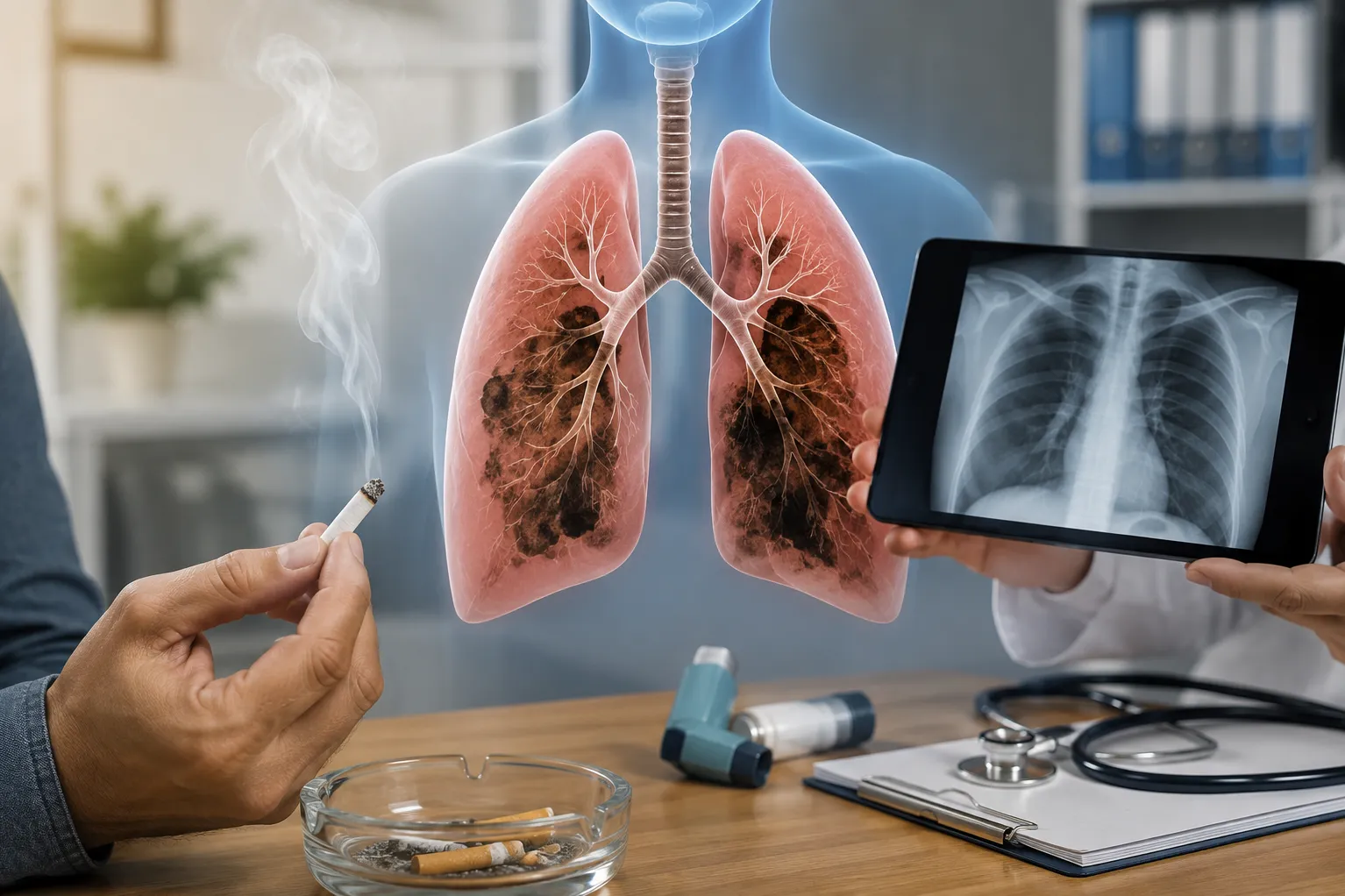
Smoking affects nearly every organ in the body, but its impact on the lungs is among the most significant. While many people associate smoking only with lung cancer, it can also contribute to chronic bronchitis, emphysema, chronic obstructive pulmonary disease (COPD), recurrent chest infections, and reduced lung function. Seeking smoking-related lung disease treatment at an early stage can help identify respiratory damage, manage symptoms, and slow disease progression.
One common misconception is that respiratory problems only develop after decades of smoking. In reality, even younger smokers or people exposed to second-hand smoke may experience persistent cough, wheezing, or breathlessness. Early evaluation allows doctors to detect changes before severe complications develop.
How Smoking Affects the Lungs
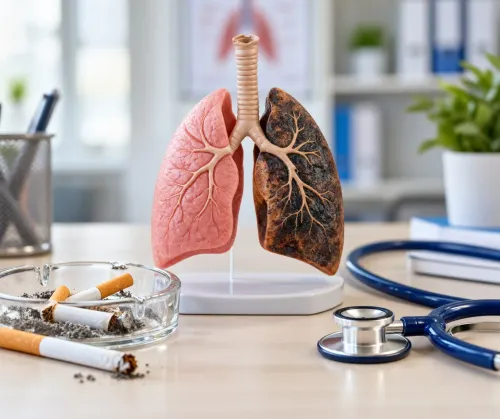
Every cigarette exposes the lungs to thousands of chemicals, many of which irritate and damage the delicate lining of the airways. Over time, this repeated exposure reduces the lungs' ability to remove mucus, fight infections, and exchange oxygen efficiently.
Smoking may lead to:
- Chronic inflammation of the airways
- Increased mucus production
- Damage to the air sacs (alveoli)
- Reduced lung elasticity
- Narrowing of the airways
- Impaired oxygen exchange
The longer a person smokes, the greater the likelihood of developing chronic respiratory disease. However, quitting smoking at any stage offers measurable health benefits.
Warning Signs You Should Not Ignore
Respiratory symptoms often appear gradually, making them easy to dismiss.
Medical evaluation is recommended if you experience:
- A persistent cough lasting several weeks
- Breathlessness during routine activities
- Wheezing
- Frequent chest infections
- Chest tightness
- Coughing up mucus regularly
- Reduced exercise tolerance
- Unexplained fatigue
These symptoms may indicate smoking-related lung disease, but they can also be caused by other respiratory conditions. Proper diagnosis is essential before treatment begins.
How Doctors Diagnose Smoking-Related Lung Disease
A respiratory physician typically begins with a detailed discussion about smoking history, occupational exposure, medical conditions, and current symptoms.
Investigations may include:
- Physical examination
- Pulmonary function tests
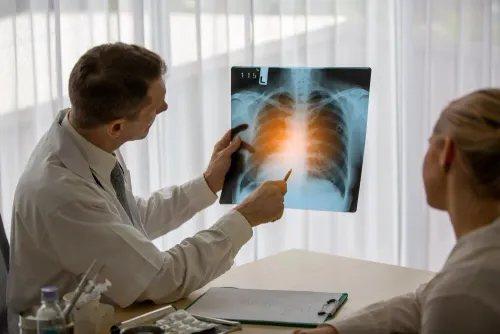
- Chest X-ray
- CT scan when clinically indicated
- Oxygen saturation measurement
- Blood investigations
- Sputum analysis if infection is suspected
The results help determine whether lung damage has occurred and identify the most appropriate treatment approach.
Treatment Is More Than Medication
Managing smoking-related lung disease involves both medical care and lifestyle changes.
Depending on the diagnosis, treatment may include:
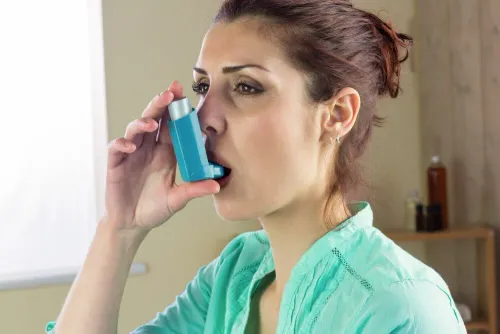
- Inhaled medications
- Pulmonary rehabilitation
- Vaccinations against respiratory infections
- Smoking cessation counselling
- Oxygen therapy for selected patients
- Nutritional advice
- Regular monitoring of lung function
Stopping smoking remains the single most important step in preventing further lung damage. Even patients with established lung disease often notice improvements in symptoms and quality of life after quitting.
Can Lung Damage Be Prevented?
The earlier smoking is stopped, the greater the opportunity to protect remaining lung function.
Additional measures include:
- Avoid exposure to second-hand smoke
- Exercise regularly according to medical advice
- Maintain a balanced diet
- Treat respiratory infections promptly
- Attend regular follow-up appointments
- Receive recommended vaccinations
These healthy habits support respiratory health and reduce the risk of future complications.
Smoking and Lung Health in Pune
Urban pollution, traffic emissions, and seasonal air quality changes in Pune can further aggravate respiratory symptoms in smokers. People who already have reduced lung function may notice worsening breathlessness during periods of increased pollution or seasonal weather changes.
Persistent respiratory symptoms should never be accepted as a 'normal' consequence of smoking. Comprehensive evaluation helps determine the extent of lung involvement and guides long-term management.
Dr Kunjir's Brio Clinic provides assessment and management for smoking-related respiratory conditions through detailed clinical evaluation, lung function testing, and personalised treatment plans. The clinic also supports patients who wish to improve their respiratory health by addressing both the underlying disease and the factors contributing to ongoing lung damage.
Keywords