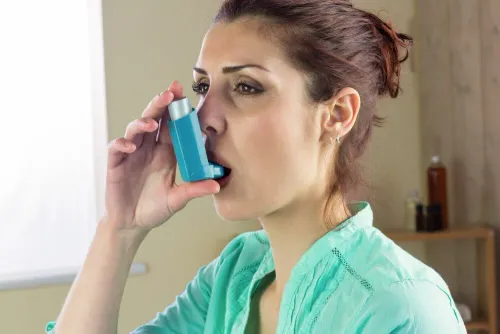
Breathlessness is sometimes blamed on low fitness, stress, age or Pune’s changing air quality. Although these factors may influence how a person feels, persistent or progressive breathing difficulty should not be dismissed without assessment. A Respiratory Specialist in Kharadi can evaluate whether the symptoms are linked to the airways, lung tissue, infection, allergy or another medical condition.
Respiratory specialists manage acute and chronic illnesses affecting breathing. They also help patients understand lung tests, use inhalers correctly and monitor conditions that require ongoing care.
Early Signs Are Easy to Overlook
Lung problems do not always begin with severe breathlessness. Initial signs may be subtle and can include:
- Taking longer to recover after climbing stairs
- Coughing regularly in the morning
- Wheezing during sleep or exercise
- Avoiding physical activity because of breathlessness
- Developing chest infections repeatedly
- Feeling tightness in the chest after dust exposure
- Producing mucus for several weeks
- Experiencing a cough that returns every season
A change from a person’s normal breathing ability is often more meaningful than comparing performance with someone else. Gradual decline deserves attention, particularly among smokers and people with occupational exposure.
When Symptoms Need Prompt Attention
Medical evaluation should not be delayed when a cough lasts more than three weeks, breathing symptoms keep recurring or prescribed treatment is not producing expected improvement.
Urgent care is required for severe breathlessness, sudden chest pain, bluish discoloration, confusion, fainting, low oxygen readings or substantial blood in the sputum. These warning signs should not wait for a routine clinic appointment.
Conditions a Respiratory Specialist May Consider
Several conditions can cause similar symptoms. The specialist may consider:
- Asthma
- Chronic obstructive pulmonary disease
- Respiratory allergies
- Pneumonia
- Tuberculosis
- Bronchiectasis
- Interstitial lung disease
- Post-infectious cough
- Sleep-related breathing disorders
- Smoking-related lung damage
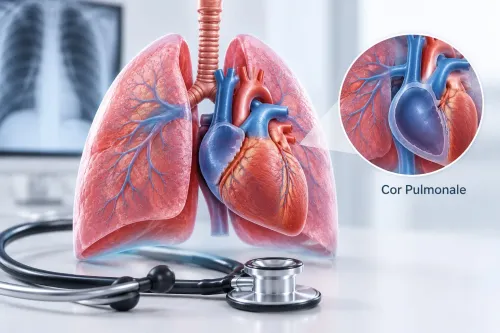
Heart disease, anaemia, acid reflux and anxiety can also contribute to breathing complaints. A careful assessment helps determine whether respiratory treatment alone is appropriate or coordinated care is needed.
Making the Consultation More Useful
Before the appointment, note how long the symptoms have been present and whether they occur during exercise, sleep or particular seasons. Record known triggers such as smoke, perfume, cold air, pets, dust or workplace chemicals.
Bring previous reports and a list of all medicines, including over-the-counter cough preparations. Patients already using an inhaler should bring it with them so that technique can be reviewed.
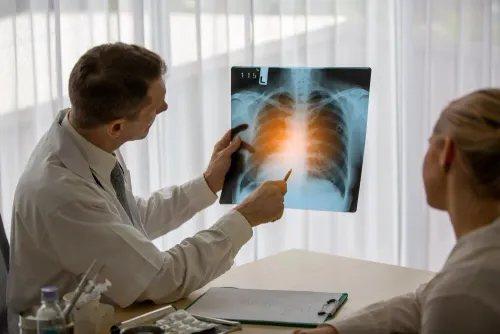
The specialist may recommend pulmonary function testing, chest imaging or laboratory investigations according to the findings. Tests should answer a clinical question rather than be performed as a routine package for everyone.
Everyday Respiratory Protection
People with sensitive lungs can reduce avoidable irritation through practical measures:
- Avoid smoking and second-hand smoke
- Use protective equipment for occupational dust
- Keep indoor areas well ventilated
- Address visible dampness or mould
- Follow prescribed inhaler schedules
- Keep recommended vaccinations current
- Monitor changes in symptoms
- Seek medical advice before stopping long-term treatment
Kharadi’s rapid development, commercial activity and traffic can contribute to dust and air-pollution exposure. These factors may worsen an existing condition but should not replace a proper diagnosis.
Dr Kunjir's Brio Clinic evaluates respiratory symptoms through history, examination and clinically relevant investigations. The aim is to identify the condition, assess its severity and help patients manage it safely.
Breathing limitations are not something people should simply learn to live with. Timely evaluation can reveal treatable causes, provide clear guidance and prevent repeated dependence on temporary remedies.
Keywords