
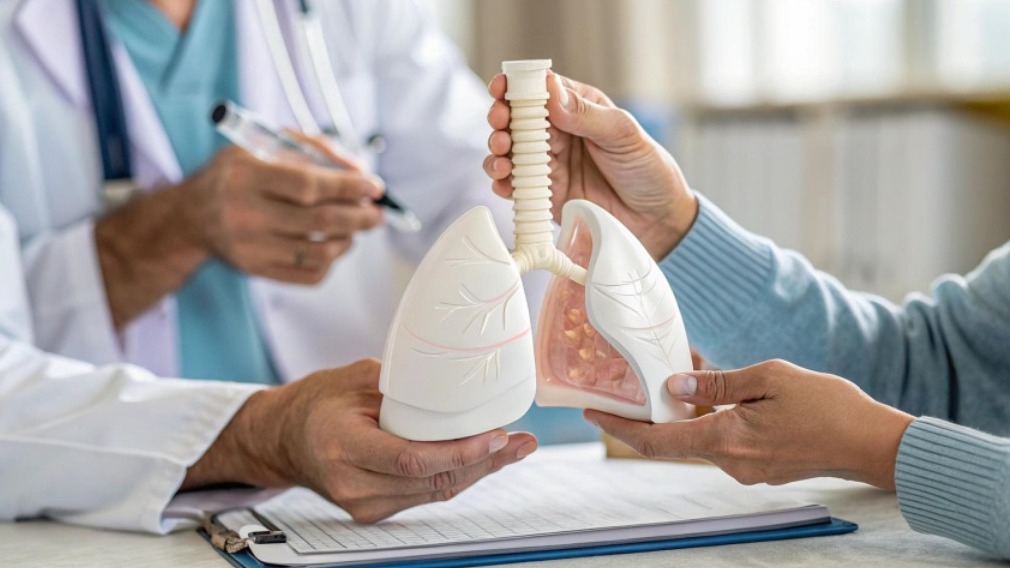
Breathing difficulty can result from conditions affecting the lungs, airways, heart, blood or overall physical health. Because the causes range from mild to urgent, Breathing Difficulty and Chest Disease Treatment should begin with an assessment of symptom severity, onset and associated warning signs.
A person who becomes breathless after intense activity may have a different concern from someone who suddenly struggles to breathe while resting. Recognising this difference helps patients seek the right level of care.
Know When It Is an Emergency
Immediate medical care is necessary when breathlessness is severe, sudden or accompanied by:
- Bluish lips or fingertips
- Confusion or extreme drowsiness
- Fainting
- Crushing or severe chest pain
- Inability to speak in full sentences
- Significant blood in the sputum
- Very low oxygen readings
- Rapid worsening after an allergic reaction
A routine appointment is not appropriate for unstable symptoms.
Information to Record Before a Consultation
For non-emergency breathing difficulty, prepare details about:
- When the problem began
- Whether it started suddenly or gradually
- Activities that trigger it
- Presence of cough, mucus or wheezing
- Fever, weight loss or night sweats
- Chest pain or leg swelling
- Smoking history
- Workplace exposure
- Previous asthma or infections
- Medicines currently being used
If symptoms occur intermittently, a brief diary can reveal patterns related to exercise, sleep, meals, seasons or environmental exposure.
What the Specialist May Evaluate
The consultation may include examination of the chest, heart rate, breathing rate and oxygen saturation. Depending on the findings, the doctor may recommend pulmonary function testing, chest imaging, blood investigations or sputum examination.
Conditions considered may include:
- Asthma
- COPD
- Respiratory infection
- Tuberculosis
- Interstitial lung disease
- Bronchiectasis
- Pleural disease
- Allergic airway disorders
- Sleep-related breathing problems
Heart disease, anaemia, deconditioning and anxiety may also contribute. Coordination with another specialist may be recommended if the findings point beyond the respiratory system.
Readiness Indicators for Ongoing Care
A patient may benefit from planned specialist follow-up when:
- Symptoms repeatedly return after short-term treatment.
- Physical activity is becoming progressively limited.
- Inhaler use is increasing.
- Respiratory infections occur frequently.
- Previous test results are abnormal or unclear.
- Smoking or occupational exposure raises additional concern.
- The diagnosis has not been adequately explained.
Continuity allows test results and treatment response to be compared over time.
Choosing a Respiratory Care Provider
A suitable provider should take a detailed history, explain the likely causes and recommend tests based on clinical need. Patients should be shown how to use inhalers and understand which symptoms require urgent attention.
Be cautious about unrealistic promises, unnecessary test packages or repeated medication without a clear diagnosis. Responsible respiratory care acknowledges uncertainty and revises the plan when new information becomes available.
Pune, Maharashtra, presents local respiratory challenges that can include traffic emissions, construction dust, seasonal allergens and workplace exposure. These may aggravate symptoms, but they should not be used as a default explanation for every breathing problem.
At Dr Kunjir's Brio Clinic, patients with breathing difficulty and chest-related symptoms can receive a structured evaluation based on their history and clinical findings. Relevant testing and follow-up are recommended according to individual needs.
Preparing for the consultation helps the doctor understand the problem more efficiently. More importantly, knowing the emergency warning signs ensures that serious breathing difficulty receives immediate attention rather than waiting for a scheduled visit.
Keywords


