Sneezing, nasal blockage, coughing and wheezing often appear together, leading many people to assume they are caused by a recurring cold. When symptoms follow a consistent pattern, an Allergy Specialist for Respiratory Disorders can evaluate whether the nose and airways are reacting to particular environmental triggers.
Respiratory allergies may affect the upper airway, lower airway or both. Allergic rhinitis can cause sneezing and congestion, while allergic asthma may produce coughing, wheezing or chest tightness. Proper evaluation helps avoid unnecessary restrictions and repeated short-term treatment.
Recognising an Allergic Pattern
Symptoms may be allergy-related when they:
- Recur during a particular season
- Appear after cleaning or dust exposure
- Worsen around pets
- Begin in damp or mouldy rooms
- Occur at work but improve away from the workplace
- Include itchy eyes or repeated sneezing
- Develop without fever
- Are accompanied by episodic wheezing
These clues are useful but do not confirm the diagnosis. Viral infections, sinus disease, irritant exposure and non-allergic asthma may produce similar symptoms.
History Is Often the Most Important Tool
The specialist may ask where the symptoms occur, how quickly they begin and whether other family members have allergies. Home environment, occupation, hobbies and exposure to pets or birds are also relevant.
Patients can prepare by recording:
- When symptoms appear
- Where they are most severe
- Suspected triggers
- Medicines that provide relief
- Whether wheezing interrupts sleep
- Any relationship with work or exercise
This record is often more useful than requesting a broad allergy panel without clinical guidance.
When Are Allergy Tests Helpful?
Skin-prick or blood tests may be recommended when identifying a particular allergen could change management. A positive result shows sensitisation, but it does not always prove that the substance is causing the patient’s symptoms.
Test results must therefore be interpreted alongside the medical history. Large, indiscriminate testing panels can create confusion and lead patients to avoid substances that are not clinically relevant.
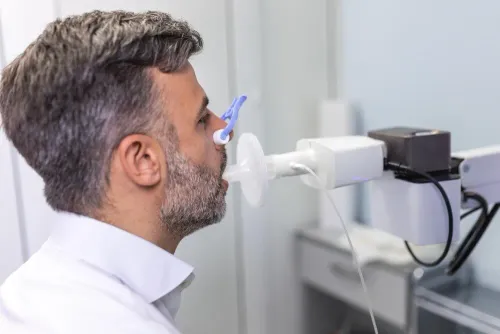
Pulmonary function testing may also be advised when lower-airway symptoms suggest asthma.
Practical Trigger Reduction
Measures should be selected according to the patient’s confirmed or likely triggers. They may include:
- Reducing indoor dust accumulation
- Washing bedding regularly
- Addressing dampness and mould
- Avoiding tobacco smoke
- Improving ventilation
- Using workplace respiratory protection
- Keeping pets out of sleeping areas when clinically relevant
- Following prescribed nasal or inhaled treatment
Complete elimination of every potential allergen is rarely realistic. A balanced plan focuses on exposures that have a meaningful connection with symptoms.
Selecting Appropriate Treatment
Respiratory allergy management may involve nasal sprays, antihistamines, inhalers or other treatment depending on the affected airway and severity. Patients should understand how each medicine works and whether it is intended for regular use or occasional relief.
In Pune, Maharashtra, seasonal pollen, dust, construction activity and air pollution can aggravate respiratory symptoms. Pollution itself may act as an irritant even when a specific allergy is not present.
Dr Kunjir's Brio Clinic assesses allergy-related respiratory complaints by reviewing symptom patterns, environmental exposure and lung health. Testing is recommended when it can contribute meaningfully to diagnosis or management.
The goal of allergy evaluation is not to produce a long list of substances to fear. It is to identify relevant triggers, treat airway inflammation appropriately and help patients manage daily exposure without unnecessary limitations.
Keywords