Asthma is a long-term condition in which the airways become inflamed and sensitive. During a flare-up, the muscles around the airways may tighten and mucus production can increase. Appropriate Asthma and Wheezing Treatment therefore involves more than relieving an isolated episode of breathlessness.
Wheezing is a whistling sound produced while breathing, but it does not always mean asthma. Infection, COPD, airway obstruction and other conditions can also cause it. A clinical assessment is important before long-term treatment is planned.
Reliever and Controller Medicines Have Different Roles
Many patients are familiar with quick-relief inhalers because these can ease airway tightening. Controller medicines work differently. They are used regularly to reduce airway inflammation and lower the likelihood of symptoms or attacks.
Confusing these roles can lead to poor control. Frequent reliance on a reliever inhaler may indicate that the condition needs medical review.
Patients should ask their doctor:
- Which inhaler is for rapid relief?
- Which medicine must be used regularly?
- How many doses should be taken?
- What should be done when symptoms worsen?
- When is urgent medical care required?
Inhaler Technique Can Change the Outcome
A correctly selected inhaler may provide limited benefit if used improperly. Common errors include failing to seal the lips around the device, breathing at the wrong speed, forgetting to shake certain inhalers or not holding the breath after inhalation.
Spacers can be useful with some metered-dose inhalers. The choice of device should consider age, coordination, inspiratory ability and patient preference.
Technique should be checked during follow-up appointments rather than demonstrated only once.
Identifying Triggers
Asthma symptoms may be aggravated by:
- Dust and air pollution
- Tobacco smoke
- Strong fragrances
- Viral infections
- Exercise
- Cold air
- Mould
- Pets
- Pollen
- Workplace chemicals
Avoidance is not always possible, and excessive restrictions can unnecessarily reduce quality of life. The aim is to identify genuine triggers and take proportionate precautions while maintaining appropriate treatment.
Signs That Asthma May Not Be Controlled
An evaluation may be needed if the patient experiences:
- Symptoms several times a week
- Night-time coughing or wheezing
- Frequent reliever use
- Difficulty exercising
- Repeated emergency visits
- Missed work or school
- Symptoms despite prescribed treatment
Before increasing medication, the clinician may check inhaler technique, adherence, trigger exposure and whether the diagnosis is correct.
Creating an Asthma Action Plan
A written action plan explains the patient’s daily medicines, signs of worsening asthma and steps to take during a flare-up. It should also identify circumstances that require urgent care.
Severe breathlessness, difficulty speaking complete sentences, bluish lips, drowsiness or poor response to reliever medication requires immediate medical attention.
Pune’s seasonal changes, road dust and variable air quality may affect people with sensitive airways. Patients should monitor their individual symptom pattern instead of assuming that all wheezing is caused by the environment.
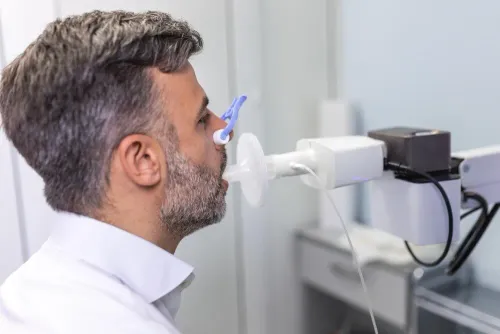
At Dr Kunjir's Brio Clinic, asthma assessment may include symptom review, examination, inhaler-technique evaluation and pulmonary function testing when appropriate. Treatment is adjusted according to clinical needs and degree of control.
Effective asthma care is an ongoing process. Correct diagnosis, suitable medication, confident inhaler use and regular review can help patients manage symptoms more safely and maintain normal activities.
Keywords