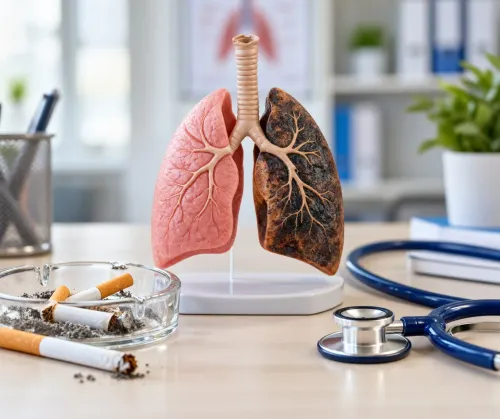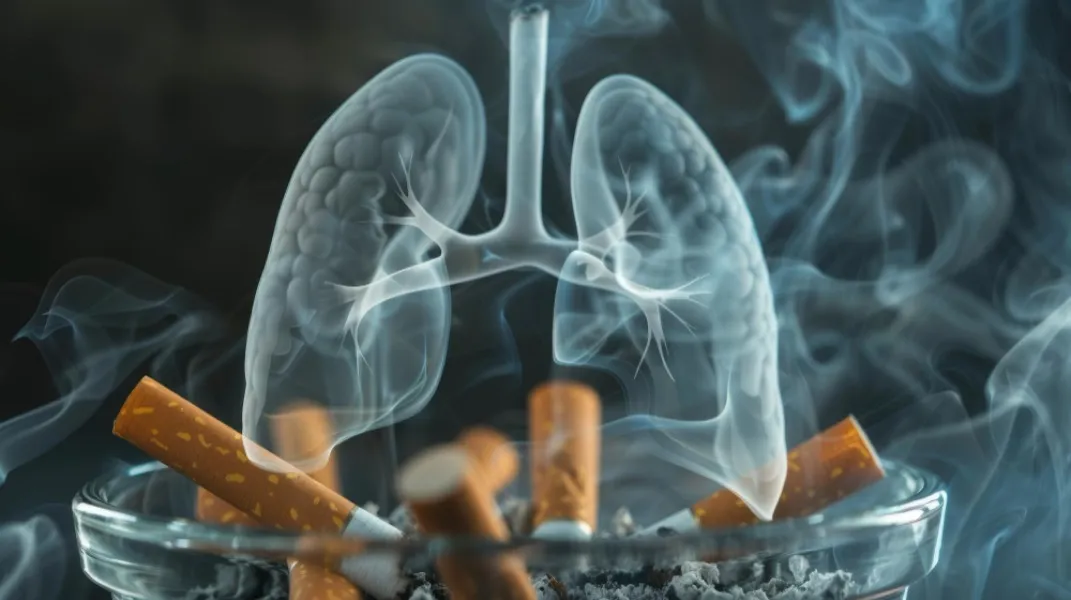
Smoking can damage the airways, air sacs and blood vessels of the lungs. Because this damage may develop gradually, many people adjust to morning coughing or declining stamina without seeking help. A Smoking-Related Lung Disease Specialist can evaluate symptoms, measure lung function and identify whether ongoing exposure has contributed to COPD or another respiratory condition.
There is no safe level of tobacco exposure. Cigarettes, bidis, cigars and other smoked products can affect respiratory health. Passive smoke and certain occupational exposures may add to the risk.
Symptoms Smokers Should Not Ignore
Arrange a medical assessment if you experience:
- A persistent morning cough
- Regular mucus production
- Wheezing
- Breathlessness while walking
- Reduced ability to climb stairs
- Repeated chest infections
- Chest discomfort
- Unexplained weight loss
- Blood in the sputum
- A noticeable decline in physical endurance
These symptoms do not always mean severe lung disease, but they deserve evaluation. Coughing up blood, sudden chest pain or severe breathlessness needs prompt medical attention.
COPD and Chronic Bronchitis
Chronic obstructive pulmonary disease is characterised by persistent airflow limitation. Smoking is a major risk factor, although biomass-fuel exposure, occupational dust and other factors can also contribute.
Chronic bronchitis describes long-term cough with mucus under defined clinical circumstances. Emphysema involves damage to the air sacs. These conditions can occur together as part of COPD.
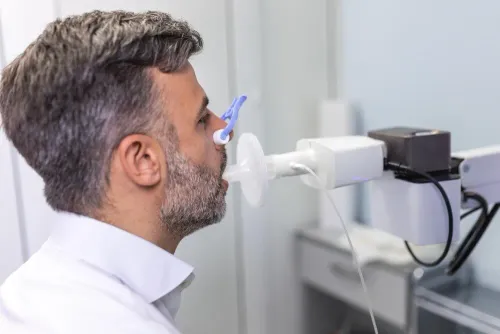
A pulmonary function test is central to confirming persistent airflow obstruction. Chest imaging may provide additional information but does not replace spirometry for every patient.
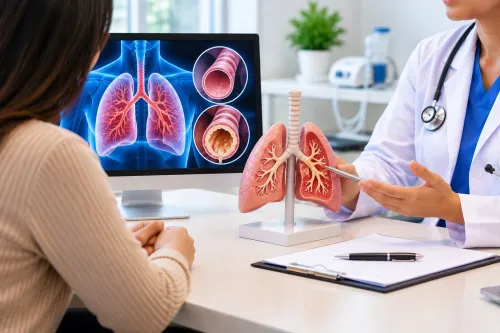
What a Lung Assessment May Include
The specialist may review:
- Duration and intensity of smoking
- Previous attempts to stop
- Occupational exposure
- Frequency of infections
- Current exercise capacity
- Use of inhalers or cough medicines
- Other health conditions
- Family history of lung disease
Testing may include oxygen measurement, spirometry and chest imaging when clinically indicated. Screening for lung cancer follows eligibility criteria and should be discussed individually rather than requested as a routine test for everyone.
Stopping Smoking Still Matters
Some people believe quitting is pointless after years of smoking. In reality, stopping tobacco exposure remains beneficial at different stages. It can reduce ongoing injury and support overall cardiovascular and respiratory health.
Quitting may require more than willpower. Depending on the patient, a structured plan can involve behavioural support, trigger management and approved cessation medicines under professional guidance.
Common triggers include stress, alcohol, social routines and seeing other people smoke. Identifying these situations makes planning more practical.
Choosing a Specialist
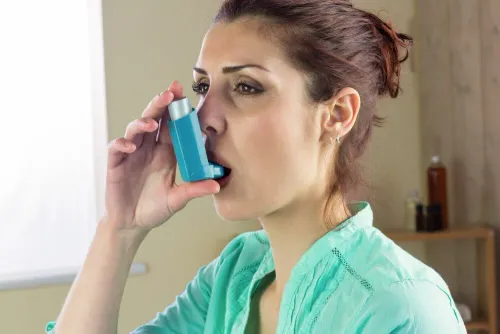
Look for a doctor who provides non-judgmental assessment, confirms suspected airflow limitation with appropriate testing and explains the difference between maintenance and rescue medicines.
Patients should also receive guidance about inhaler technique, vaccination, physical activity and warning signs. Treatment plans need periodic review because symptoms and lung function may change.
In Pune, Maharashtra, tobacco exposure can combine with traffic pollution and workplace dust to aggravate respiratory symptoms. Nevertheless, the extent and nature of lung impairment must be assessed individually.
Dr Kunjir's Brio Clinic provides evaluation for smoking-related cough, breathing difficulty and suspected obstructive lung disease. The objective is to understand current lung health and develop an evidence-based management plan.
Seeking assessment is useful even before symptoms become severe. It provides an opportunity to measure lung function, address tobacco dependence and take informed steps to protect remaining respiratory capacity.
Keywords