
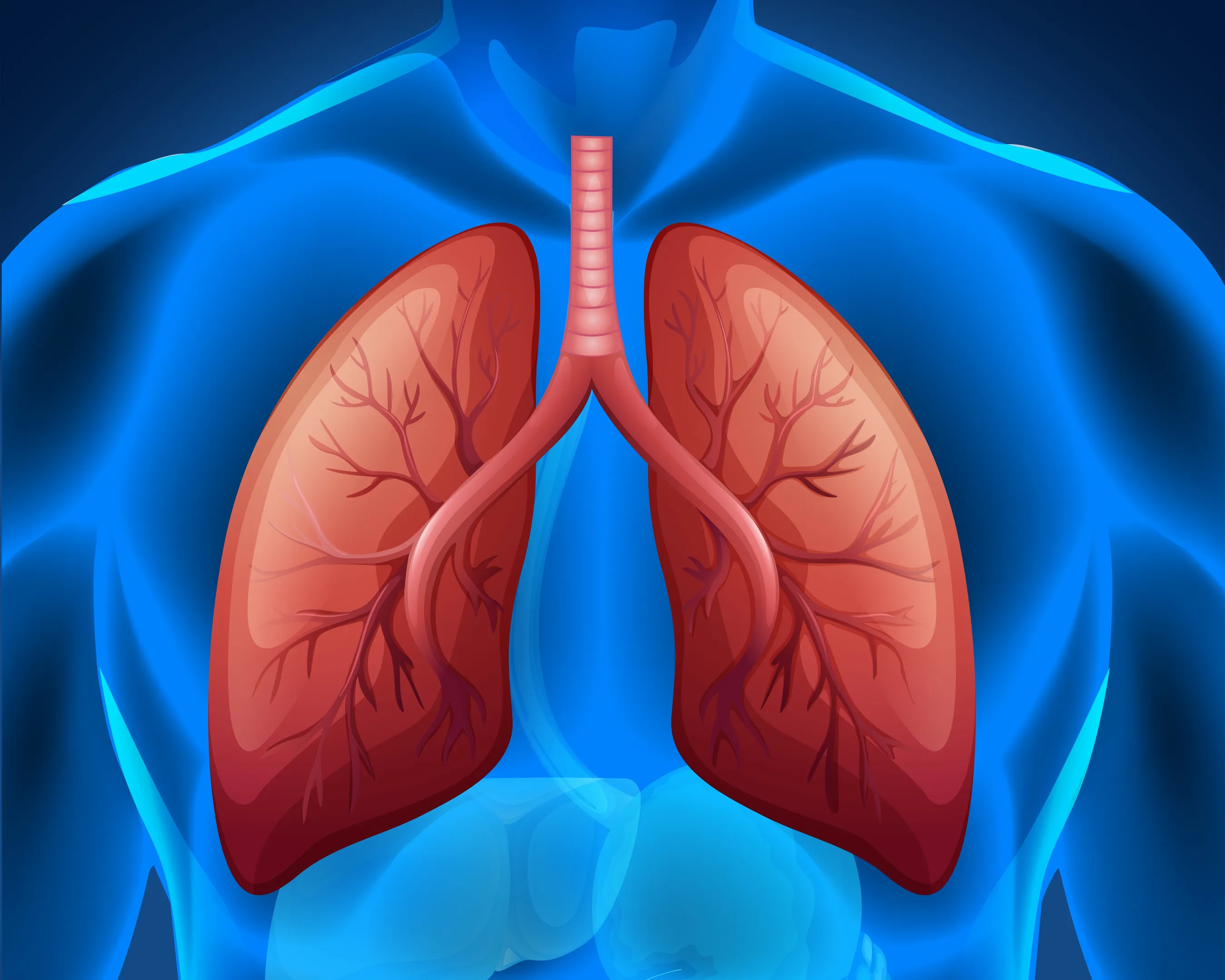
Most people are familiar with asthma, bronchitis, or pneumonia, but fewer have heard of interstitial lung disease (ILD). This group of lung disorders affects the tissue surrounding the air sacs in the lungs, making it increasingly difficult for oxygen to pass into the bloodstream. Because the symptoms often develop gradually, many individuals mistake them for ageing, poor fitness, or recurring respiratory infections. Consulting an Interstitial lung disease specialist in Pune can help ensure timely diagnosis and appropriate management.
Interstitial lung disease refers to a collection of conditions rather than a single disease. Some forms are linked to autoimmune disorders, environmental exposure, certain medications, or occupational hazards, while others develop without a clearly identifiable cause.
What Are the Symptoms of Interstitial Lung Disease?
The symptoms usually progress slowly over months or even years.
Common signs include:
- Persistent dry cough
- Progressive shortness of breath
- Fatigue
- Reduced exercise tolerance
- Chest discomfort
- Unexplained weight loss in some cases
Because these symptoms overlap with several other respiratory conditions, specialist evaluation is often necessary to establish the correct diagnosis.
What Causes Interstitial Lung Disease?
There are many possible causes of ILD, including:
- Autoimmune diseases
- Occupational exposure to dust or chemicals
- Environmental pollutants
- Certain medications
- Radiation therapy
- Long-term exposure to organic dust
- Unknown (idiopathic) causes
In some patients, no specific trigger can be identified despite thorough investigation.
How Is ILD Diagnosed?
Diagnosis requires careful interpretation of symptoms, imaging findings, and lung function.
The evaluation may include:
- Detailed medical history
- Physical examination
- High-resolution CT (HRCT) scan
- Pulmonary function tests
- Blood investigations
- Oxygen level assessment
- Bronchoscopy or lung biopsy in selected cases
No single investigation confirms every type of interstitial lung disease. Doctors often combine information from multiple tests before arriving at a diagnosis.
Why Early Diagnosis Is Important
Interstitial lung disease can gradually reduce lung capacity if left untreated. While some forms progress slowly, others require prompt intervention to minimise further lung damage.
Early diagnosis allows healthcare providers to:
- Identify the specific type of ILD
- Assess disease severity
- Monitor progression
- Recommend appropriate medications
- Manage symptoms effectively
- Improve overall quality of life
Regular follow-up also helps doctors evaluate how well treatment is working and whether adjustments are needed.
Living with Interstitial Lung Disease
Many people continue to lead active lives after diagnosis by following an appropriate treatment plan and making healthy lifestyle choices.
Supportive measures may include:
- Pulmonary rehabilitation
- Smoking cessation
- Vaccinations against respiratory infections
- Nutritional support
- Breathing exercises
- Monitoring oxygen levels when required
- Avoiding occupational or environmental exposures that worsen symptoms
Each treatment plan is individualised according to the patient's diagnosis and disease severity.
Respiratory Health in Pune
As Pune continues to grow, increasing industrial activity, construction work, traffic emissions, and environmental pollution may contribute to respiratory health concerns. Individuals with prolonged cough or unexplained breathlessness should avoid assuming these symptoms are simply due to seasonal weather changes.
Early consultation allows respiratory specialists to identify less common lung conditions before significant lung damage develops.
Dr Kunjir's Brio Clinic provides comprehensive evaluation for patients with suspected interstitial lung disease and other chronic respiratory disorders. Through detailed clinical assessment, advanced diagnostic investigations, and personalised long-term care, the clinic helps patients better understand their condition and supports effective management of complex respiratory diseases.
Keywords


