Breathing is essential to every activity we perform, yet respiratory health is often overlooked until symptoms begin to interfere with daily life. Persistent coughing, breathlessness, chest tightness, wheezing, or repeated chest infections may indicate an underlying lung condition that requires specialist evaluation. Consulting an expert pulmonologist for respiratory disorders helps ensure that respiratory symptoms are properly investigated rather than temporarily managed with repeated medications.
Respiratory disorders range from common conditions such as asthma and bronchitis to more complex illnesses including chronic obstructive pulmonary disease (COPD), tuberculosis, interstitial lung disease, sleep-related breathing disorders, and occupational lung diseases. Because many of these conditions produce similar symptoms, accurate diagnosis is the foundation of effective treatment.
Understanding Respiratory Disorders
The respiratory system includes the airways, lungs, and the muscles involved in breathing. When any part of this system is affected by inflammation, infection, allergy, or structural changes, breathing can become difficult.
Common respiratory disorders include:
- Bronchial asthma
- Chronic bronchitis
- COPD
- Pneumonia
- Tuberculosis
- Interstitial lung disease
- Allergic respiratory diseases
- Sleep apnea
- Pulmonary fibrosis
- Occupational lung diseases
Some conditions develop suddenly, while others progress gradually over months or years.
Symptoms That Should Not Be Ignored
Respiratory illnesses often begin with mild symptoms that become more noticeable over time.
Seek medical evaluation if you experience:
- Persistent cough lasting more than three weeks
- Shortness of breath during routine activities
- Wheezing
- Chest pain while breathing
- Frequent respiratory infections
- Coughing up blood
- Unexplained fatigue
- Reduced exercise tolerance
Although these symptoms do not always indicate serious disease, they should not be ignored, especially when they persist or recur.
How Respiratory Disorders Are Diagnosed
A pulmonologist uses a combination of clinical assessment and diagnostic investigations to identify the underlying cause of respiratory symptoms.
Depending on the patient's condition, evaluation may include:
- Detailed medical history
- Physical examination
- Pulmonary function tests
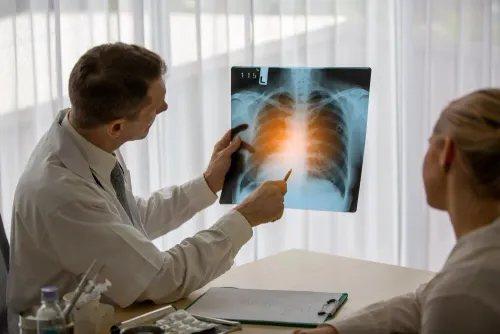
- Chest X-ray
- High-resolution CT scan
- Blood investigations
- Sputum examination
- Bronchoscopy when indicated
- Allergy assessment
These investigations help determine the exact diagnosis, assess disease severity, and guide treatment decisions.
Treatment Is Individualised
Every respiratory condition requires a personalised management plan based on the diagnosis, age, lifestyle, and overall health of the patient.
Treatment may involve:
- Inhaled medications
- Antibiotics when bacterial infection is confirmed
- Anti-inflammatory therapy
- Pulmonary rehabilitation
- Smoking cessation support
- Allergy management
- Oxygen therapy in selected cases
- Long-term monitoring for chronic conditions
Regular follow-up appointments are often an important part of treatment, particularly for chronic respiratory diseases that require ongoing assessment.
Supporting Healthy Lung Function
Good respiratory health depends not only on medical treatment but also on healthy daily habits.
Simple measures include:
- Avoid smoking and tobacco exposure
- Exercise regularly according to medical advice
- Eat a balanced diet
- Stay hydrated
- Follow prescribed inhaler techniques correctly
- Reduce exposure to dust and air pollution
- Seek prompt treatment for respiratory infections
- Keep recommended vaccinations up to date
These lifestyle practices help support lung function and reduce the likelihood of recurrent respiratory problems.
Respiratory Health Challenges in Pune
Residents of Pune are exposed to several environmental factors that can affect respiratory health, including seasonal pollen, traffic emissions, construction dust, and changing weather conditions. People with asthma, allergies, or chronic lung disease may notice worsening symptoms during periods of increased pollution or seasonal transitions.
Early specialist evaluation helps identify respiratory disorders before complications develop. Rather than repeatedly treating symptoms alone, comprehensive assessment allows doctors to create long-term management plans tailored to each patient's needs.
Dr Kunjir's Brio Clinic provides comprehensive respiratory care for patients experiencing persistent cough, breathing difficulty, allergies, asthma, and other lung conditions. Through detailed evaluation and evidence-based treatment, the clinic supports patients in understanding their respiratory health and managing chronic lung diseases effectively.
Keywords