Breathing is something most people rarely think about until it becomes difficult. A persistent cough, frequent chest infections, wheezing, or unexplained shortness of breath can gradually interfere with daily life, making even routine activities feel exhausting. While these symptoms are sometimes linked to temporary illnesses, they may also indicate an underlying respiratory condition that deserves medical attention.
Searching for the best pulmonologist doctor often begins when symptoms refuse to improve despite home remedies or repeated medications. A pulmonologist is a physician who specializes in diagnosing, treating, and managing diseases affecting the lungs and respiratory system. Their expertise extends beyond common coughs and colds to conditions such as asthma, chronic obstructive pulmonary disease (COPD), pneumonia, lung infections, sleep-related breathing disorders, allergies, and interstitial lung diseases.
Common Signs That Should Not Be Ignored
Many respiratory illnesses develop gradually. People often dismiss early symptoms, assuming they will resolve on their own. However, timely medical evaluation can make a meaningful difference in identifying the cause and beginning appropriate treatment.
Some symptoms that warrant a consultation include:
- A cough lasting more than three weeks
- Recurrent chest infections
- Wheezing during breathing
- Persistent breathlessness
- Chest tightness or discomfort while breathing
- Coughing up blood
- Frequent respiratory allergies
- Excessive mucus production
- Difficulty performing routine physical activities due to breathing problems
These symptoms do not always point to a serious condition, but they should never be ignored, especially if they continue to recur.
Conditions Commonly Managed by a Pulmonologist
Respiratory specialists diagnose and treat a wide variety of lung disorders. Some of the most common include:
- Bronchial asthma
- Chronic bronchitis
- COPD
- Pneumonia
- Tuberculosis
- Lung fibrosis
- Pulmonary infections
- Sleep apnea
- Occupational lung diseases
- Allergic respiratory disorders
Every patient presents differently. Two people with similar symptoms may require entirely different treatment approaches depending on their medical history, lifestyle, age, and diagnostic findings.
How Is a Respiratory Problem Diagnosed?
A pulmonologist usually begins with a detailed discussion about symptoms, previous illnesses, environmental exposure, smoking history, allergies, and family history. This clinical assessment helps narrow down possible causes before recommending investigations.
Depending on the condition, evaluation may include:
- Physical examination
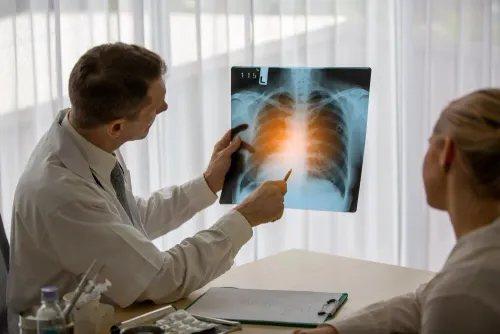
- Chest imaging
- Pulmonary function testing
- Blood investigations
- Allergy assessment
- Sputum examination when infection is suspected
- Oxygen level measurement
- Advanced imaging or bronchoscopy in selected situations
The purpose of these investigations is not simply to confirm a diagnosis but also to understand the severity of the condition and plan long-term management where necessary.
Why Early Diagnosis Matters
Many lung diseases become progressively harder to manage if diagnosis is delayed. Asthma may worsen over time if left uncontrolled, chronic lung diseases can gradually reduce lung capacity, and repeated respiratory infections may lead to avoidable complications.
Early intervention offers several benefits:
- Better symptom control
- Reduced frequency of flare-ups
- Improved quality of life
- Prevention of disease progression
- Better exercise tolerance
- Reduced need for emergency treatment
Patients who receive timely care often experience greater confidence in managing their condition and maintaining an active lifestyle.
Respiratory Health in Pune
Rapid urbanisation, changing weather conditions, seasonal pollen, construction dust, traffic-related pollution, and fluctuating air quality contribute to respiratory complaints experienced by many residents in Pune. Individuals with asthma, allergies, or chronic lung conditions may notice worsening symptoms during seasonal transitions or periods of increased pollution.
People working in dusty environments or industries with chemical exposure should also consider periodic respiratory evaluation, even if symptoms appear mild.
Supporting Healthy Lungs Every Day
While medical treatment is important when respiratory disease is present, healthy lifestyle choices also support lung function.
Helpful habits include:
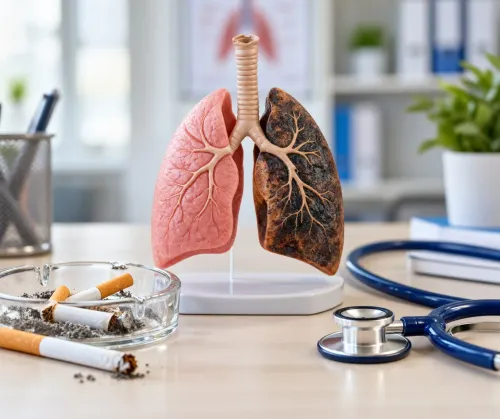
- Avoid smoking and second-hand smoke
- Stay physically active according to your health condition
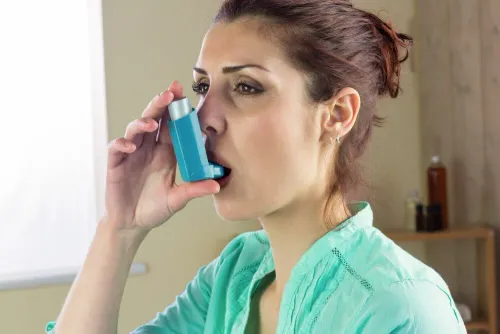
- Follow prescribed inhaler techniques correctly
- Keep vaccinations updated when recommended
- Reduce exposure to indoor and outdoor pollutants
- Maintain adequate hydration
- Seek medical advice rather than repeatedly self-medicating for persistent cough
These measures complement medical care and may help reduce respiratory complications.
For individuals experiencing ongoing breathing concerns in Pune, consulting an experienced respiratory specialist can provide clarity about the underlying cause. Dr Kunjir's Brio Clinic offers evaluation and management for a wide range of lung and respiratory conditions, helping patients understand their diagnosis and appropriate treatment options based on their individual needs.
Keywords