A whistling sound while breathing may seem like a temporary inconvenience, especially during seasonal changes or after a respiratory infection. However, recurrent wheezing is often a sign that the airways are narrowing or becoming inflamed. When wheezing is accompanied by coughing, chest tightness, or shortness of breath, it deserves proper medical evaluation. Visiting an asthma and wheezing treatment clinic can help determine the underlying cause and prevent symptoms from affecting daily life.
Asthma is one of the most common reasons for wheezing, but it is not the only one. Other respiratory conditions can produce similar symptoms, making an accurate diagnosis essential before beginning treatment.
What Exactly Is Wheezing?
Wheezing is a high-pitched, whistling sound that occurs when air passes through narrowed airways. It is usually more noticeable while breathing out, although some people may hear it during inhalation as well.
The narrowing may occur because of:
- Airway inflammation
- Excess mucus production
- Muscle tightening around the airways
- Allergic reactions
- Respiratory infections
Identifying the reason behind airway narrowing is the first step toward effective treatment.
Common Conditions That Cause Wheezing
Although asthma is widely recognised for causing wheezing, several other medical conditions may produce similar symptoms.
These include:
- Allergic asthma
- Chronic obstructive pulmonary disease (COPD)
- Acute bronchitis
- Respiratory infections
- Allergic bronchitis
- Foreign body aspiration in children
- Certain chronic lung diseases
Since the treatment differs for each condition, self-diagnosis can sometimes delay appropriate care.
Symptoms That Should Prompt Medical Evaluation
Occasional wheezing during a cold may settle as the infection improves. However, medical assessment becomes important if symptoms:
- Recur frequently
- Wake you from sleep
- Occur during exercise
- Are associated with persistent coughing
- Cause difficulty speaking because of breathlessness
- Continue despite using inhalers
- Interfere with work or daily activities
Children and older adults should be evaluated promptly, as respiratory symptoms may progress more quickly in these age groups.
How Asthma Is Diagnosed
Diagnosing asthma involves more than listening to the lungs. A respiratory physician considers the patient's symptoms, medical history, allergy profile, and family history before recommending investigations.
These may include:
- Physical examination
- Pulmonary function tests
- Peak flow measurements
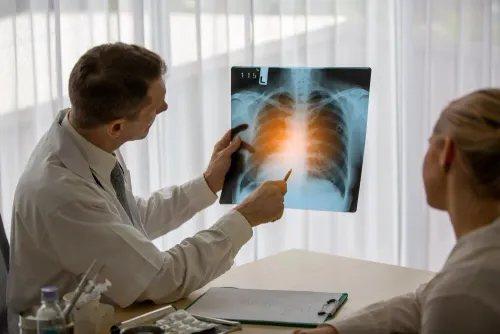
- Chest imaging when required
- Allergy evaluation
- Blood investigations in selected cases
These assessments help confirm asthma while excluding other respiratory disorders that may present with similar symptoms.
Managing Asthma Successfully
Modern asthma treatment focuses on controlling airway inflammation rather than simply treating attacks when they occur.
Management often includes:
- Controller inhalers
- Reliever inhalers for sudden symptoms
- Trigger avoidance strategies
- Allergy management
- Regular follow-up assessments
- Monitoring lung function
Patients who understand their condition and follow their treatment plan consistently often experience fewer flare-ups and improved quality of life.
Everyday Tips for Better Asthma Control
Small lifestyle adjustments can complement medical treatment and reduce symptom frequency.
Helpful measures include:
- Identify and avoid personal triggers
- Follow inhaler instructions carefully
- Keep rescue medication accessible
- Avoid smoking and second-hand smoke
- Stay physically active as advised by your doctor
- Seek treatment early for respiratory infections
- Attend regular follow-up appointments
Consistent disease monitoring is often just as important as medication itself.
Asthma Care in Pune
Changing weather, airborne pollen, construction dust, and urban pollution can contribute to asthma flare-ups among residents of Pune. Seasonal changes frequently trigger worsening symptoms in individuals with underlying allergic airway disease.
Recognising worsening asthma early allows treatment to be adjusted before symptoms become severe. Rather than waiting for repeated emergency episodes, early evaluation can help maintain long-term symptom control.
Dr Kunjir's Brio Clinic provides comprehensive assessment for asthma and wheezing, combining detailed clinical evaluation with lung function testing and personalised treatment plans. The clinic focuses on helping patients understand their respiratory condition while supporting long-term disease management tailored to individual needs.
Keywords