A cough that repeatedly returns after exposure to dust, seasonal changes, or strong odours can be frustrating and disruptive. For some individuals, these recurring symptoms may be linked to allergic bronchitis rather than a simple respiratory infection. Consulting an allergic bronchitis treatment specialist can help identify the cause of persistent airway inflammation and develop a treatment plan that focuses on long-term symptom control.
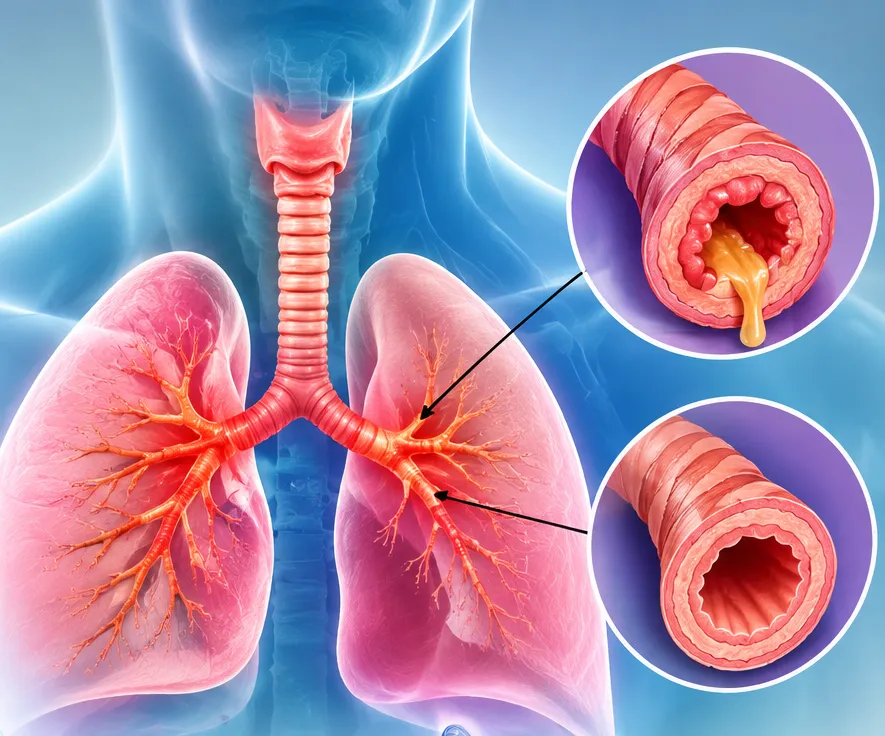
Allergic bronchitis occurs when allergens trigger inflammation in the bronchial tubes, leading to coughing, mucus production, wheezing, and breathing discomfort. Unlike bacterial infections, allergic bronchitis is driven by the body's immune response to substances that are generally harmless to others.
Common Allergy Triggers
Different people react to different allergens, making individual assessment important.
Frequently reported triggers include:
- House dust mites
- Pollen
- Mold spores
- Pet dander
- Smoke
- Air pollution
- Strong chemical fumes
- Seasonal weather changes
Repeated exposure to these triggers can cause recurring inflammation, especially in individuals with asthma or allergic tendencies.
Symptoms of Allergic Bronchitis
Symptoms may vary from person to person but often include:
- Persistent dry or productive cough
- Wheezing
- Mild breathlessness
- Chest tightness
- Increased mucus production
- Symptoms that worsen after allergen exposure
- Night-time coughing
Unlike acute infections, allergic bronchitis often recurs during certain seasons or environmental conditions.
How Is Allergic Bronchitis Diagnosed?
Diagnosis begins with understanding the patient's symptoms and identifying possible allergy triggers.
A respiratory specialist may recommend:
- Detailed medical history
- Physical examination
- Pulmonary function testing
- Allergy assessment
- Chest imaging when necessary
- Blood investigations in selected situations
These investigations help distinguish allergic bronchitis from asthma, COPD, recurrent infections, and other respiratory disorders.
Treatment Focuses on Trigger Control
Managing allergic bronchitis usually involves reducing airway inflammation while limiting exposure to allergens.
Treatment may include:
- Anti-allergy medications
- Inhaled therapies
- Bronchodilators where appropriate
- Environmental control measures
- Asthma management if both conditions coexist
- Regular monitoring for persistent symptoms
Every treatment plan is tailored to the patient's symptoms, severity, and identified triggers.
Everyday Steps to Reduce Flare-Ups
Although allergens cannot always be avoided completely, several practical measures may reduce symptom frequency.
These include:
- Keeping living spaces clean and dust-free
- Using protective masks in dusty environments
- Avoiding cigarette smoke
- Improving indoor ventilation
- Cleaning air-conditioning filters regularly
- Staying hydrated
- Seeking treatment before symptoms become severe
Patients who recognise their personal triggers often experience better long-term symptom control.
Allergy-Related Respiratory Problems in Pune
Environmental factors in Pune, including seasonal pollen, construction activity, dust, and changing weather patterns, may contribute to allergy-related respiratory complaints throughout the year. Individuals with sensitive airways often notice worsening symptoms during seasonal transitions.
Instead of repeatedly treating cough with over-the-counter medicines, identifying the underlying allergic cause can lead to more effective management and fewer recurring episodes.
Dr Kunjir's Brio Clinic evaluates patients with chronic cough, wheezing, and allergy-related respiratory symptoms using a comprehensive clinical approach. By identifying triggers and providing personalised treatment strategies, the clinic helps patients manage allergic bronchitis while supporting long-term respiratory wellness.
Keywords