Many respiratory conditions begin with ordinary-looking symptoms. A person may notice occasional wheezing, reduced stamina, morning mucus or a cough that becomes more frequent over time. A consultation with a Chest Physician in Amanora helps connect these symptoms with medical history, examination findings and appropriate respiratory tests.
A chest physician evaluates diseases involving the lungs, airways and breathing process. The assessment may also consider allergies, infections, sleep-related breathing problems and exposure to substances that can irritate or damage the respiratory system.
Medical History Provides Important Clues
Respiratory symptoms rarely make sense without context. During the consultation, the doctor may ask about the duration and pattern of the problem.
A cough that occurs mainly at night may suggest a different group of causes from one accompanied by fever or blood-stained sputum. Breathlessness that develops suddenly also needs a different approach from gradually declining exercise tolerance.
The physician may ask about:
- Previous lung infections
- Asthma or allergies
- Smoking history
- Exposure to passive smoke
- Occupation and workplace dust
- Use of incense, mosquito coils or biomass fuel
- Pets, birds or mould at home
- Recent travel
- Existing heart or metabolic conditions
- Medicines that may contribute to coughing
Patients should answer honestly about smoking and occupational exposure. These details are used to guide evaluation, not to judge personal choices.
Physical Examination and Basic Measurements
The physician generally listens to the chest for wheezing, crackling sounds or reduced air entry. Breathing rate, pulse and blood oxygen saturation may also be checked.
Normal oxygen saturation does not exclude every lung condition. Some patients have normal readings at rest but develop symptoms during exertion. Similarly, clear breathing sounds do not always rule out asthma or early lung disease. Test selection therefore depends on the complete clinical picture.
Tests That May Be Recommended
Not every patient requires every investigation. Depending on the suspected condition, a chest physician may advise:
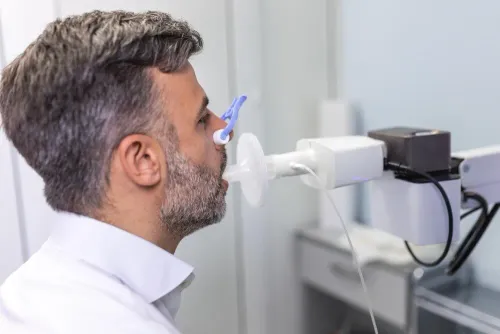
- Pulmonary function testing: Measures airflow and lung capacity
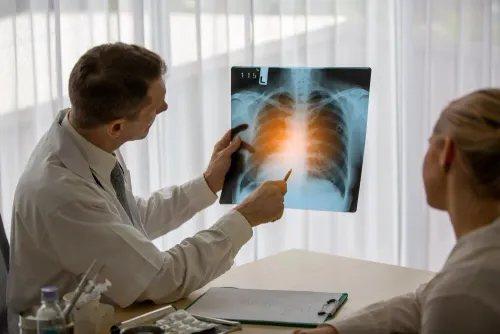
- Chest X-ray: Provides a basic view of the lungs and surrounding structures
- CT scan: Offers more detailed imaging when clinically indicated
- Blood tests: May help assess infection, allergy or inflammation
- Sputum examination: Useful in selected cases involving infection or tuberculosis
- Sleep evaluation: Considered when snoring and interrupted breathing are reported
- Allergy assessment: Used when symptoms have a consistent allergic pattern
The physician should explain what each investigation is expected to clarify. Testing is most useful when the result can influence diagnosis or management.
Questions Patients Can Ask
A lung health consultation should leave the patient better informed. Useful questions include:
- What are the likely causes of my symptoms?
- Do I need a breathing test or chest imaging?
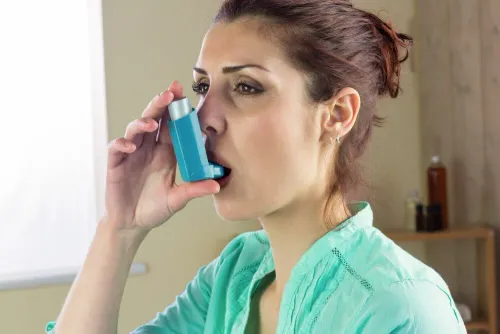
- How should I use my inhaler correctly?
- Which exposures should I avoid?
- What symptoms would require urgent attention?
- When should I return for follow-up?
Patients taking inhalers can bring the devices to the appointment. The healthcare team can then observe their technique and correct avoidable errors.
Local Factors in Amanora
Amanora is connected to busy residential and commercial areas of Pune, Maharashtra. Traffic, construction dust, indoor pollutants and seasonal allergens may aggravate sensitive airways. However, environmental exposure should not be assumed to be the only cause of persistent symptoms.
At Dr Kunjir's Brio Clinic, lung health evaluation is guided by the patient’s symptoms, history and clinical findings. Management may include medication, inhaler education, trigger reduction, follow-up testing or referral for additional care when required.
A thorough chest evaluation is valuable because similar symptoms can come from different conditions. Understanding the cause is the first step towards a safer and more focused treatment plan.
Keywords