Tuberculosis (TB) remains one of the most significant infectious diseases affecting people across India. Although modern medicine has made TB highly treatable, delayed diagnosis continues to be a major concern. Many people mistake the early symptoms for a lingering cold, seasonal allergy, or ordinary cough, allowing the infection to progress before seeking medical advice. Consulting a Tuberculosis specialist in Pune at the right time can help ensure prompt diagnosis and appropriate treatment.
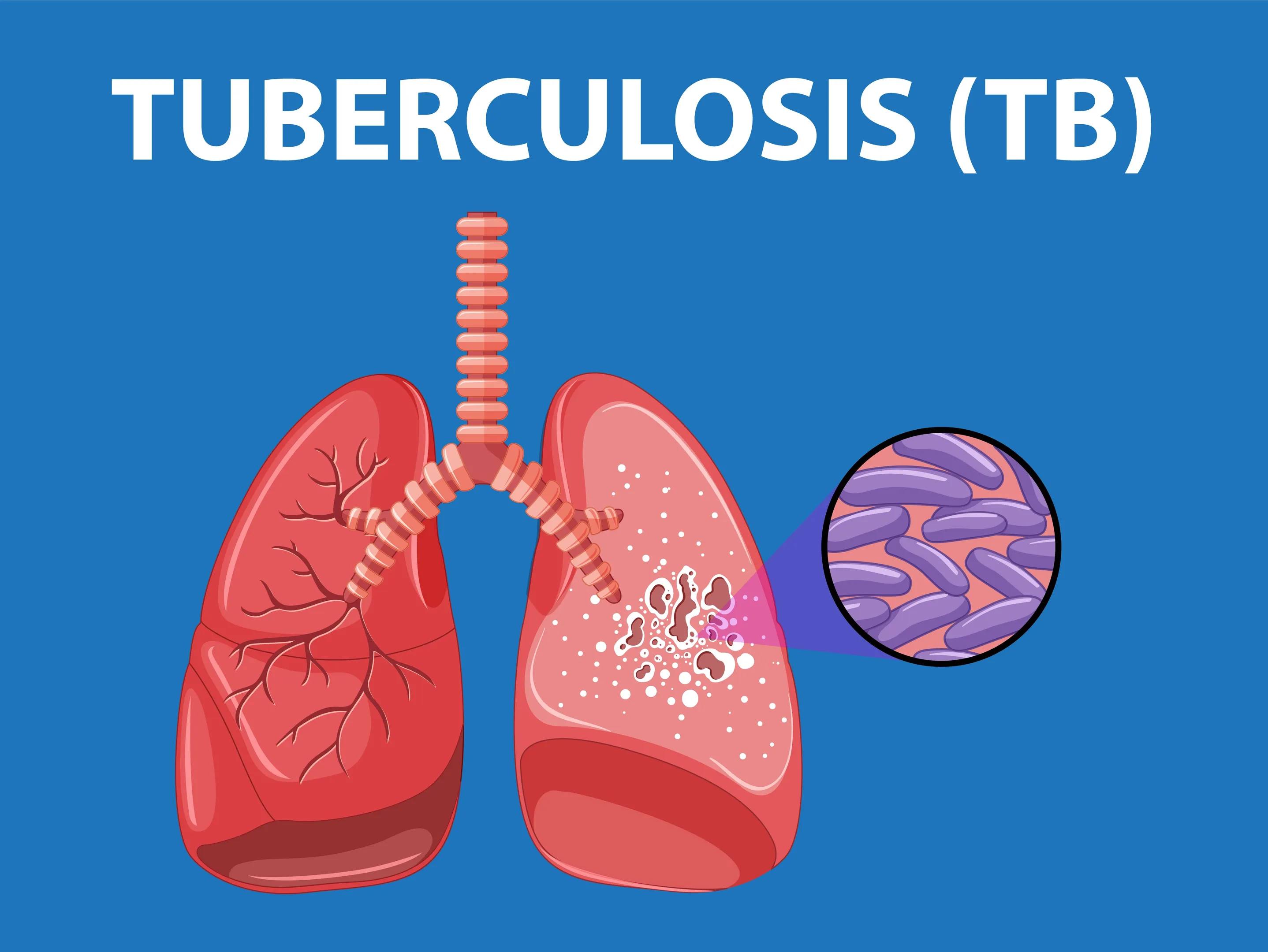
Tuberculosis is caused by the bacterium Mycobacterium tuberculosis, which most commonly affects the lungs but can also involve other parts of the body such as lymph nodes, bones, kidneys, and the brain. Pulmonary TB is the most common form and spreads through tiny airborne droplets released when an infected person coughs, sneezes, or speaks.
Recognising the Early Symptoms
TB symptoms often develop gradually, making them easy to overlook. Some individuals may experience mild discomfort for weeks before the condition becomes more noticeable.
Common warning signs include:
- A cough lasting more than two to three weeks
- Fever, especially during the evening
- Night sweats
- Unexplained weight loss
- Fatigue or weakness
- Loss of appetite
- Chest pain
- Coughing up blood in some cases
Not everyone experiences every symptom, which is why persistent respiratory complaints should always be evaluated rather than treated repeatedly with over-the-counter medications.
Who Is More Likely to Develop Tuberculosis?
Anyone can develop TB, but certain groups face a higher risk.
These include:
- People with weakened immune systems
- Individuals with diabetes
- Smokers
- People living in close contact with someone diagnosed with TB
- Individuals with poor nutritional status
- Healthcare workers with repeated exposure
- Elderly adults
Risk factors do not necessarily mean someone will develop TB, but they highlight the importance of early screening when symptoms appear.
How Is Tuberculosis Diagnosed?
Modern TB diagnosis involves a combination of clinical assessment and laboratory investigations. A respiratory physician considers medical history, symptoms, and risk factors before recommending appropriate tests.
Diagnostic investigations may include:
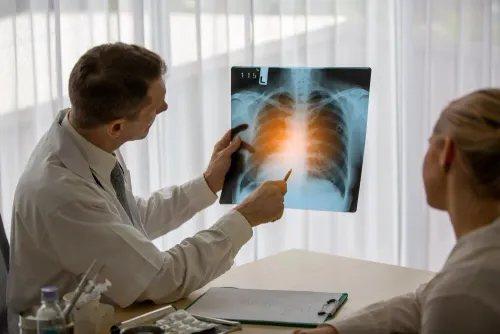
- Chest X-ray
- Sputum examination
- Molecular diagnostic tests such as CBNAAT
- Blood investigations when required
- CT scan in selected situations
- Bronchoscopy in complex cases
These investigations help confirm the diagnosis, determine the severity of the infection, and guide treatment decisions.
Why Completing Treatment Is Essential
One of the biggest challenges in tuberculosis management is stopping medication too early. Symptoms often improve within a few weeks, but the bacteria may still be present.
Completing the prescribed treatment course helps:
- Eliminate the infection completely
- Prevent relapse
- Reduce the spread of TB to others
- Lower the risk of drug-resistant tuberculosis
Drug-resistant TB is significantly more difficult to treat and usually requires longer treatment with specialised medications.
Can Tuberculosis Be Prevented?
Although TB cannot always be prevented, certain measures reduce the risk of transmission.
These include:
- Early diagnosis of infected individuals
- Completing the full treatment course
- Covering the mouth while coughing
- Maintaining good indoor ventilation
- Following infection-control practices in healthcare settings
- Good nutrition to support immunity
People living with someone diagnosed with TB should also seek medical advice regarding screening.
Tuberculosis Awareness in Pune
As a rapidly growing urban centre, Pune continues to report cases of tuberculosis each year. Population density, workplace interactions, public transport, and close living conditions can contribute to disease transmission if active TB remains undiagnosed.
Fortunately, improved diagnostic technologies and increased public awareness have made early detection more accessible. Seeking evaluation for a prolonged cough rather than assuming it is seasonal can make a significant difference.
Respiratory specialists play an important role in identifying TB early, monitoring treatment progress, and ensuring complete recovery. Dr Kunjir's Brio Clinic provides comprehensive respiratory evaluation for patients with persistent cough, suspected lung infections, and tuberculosis, using evidence-based diagnostic methods to support accurate diagnosis and long-term respiratory health.
Keywords