Breathing problems can affect sleep, physical activity, work performance and overall quality of life. While a temporary cough or mild congestion may improve with routine care, recurring symptoms often require evaluation by a qualified chest specialist. Choosing the Best Pulmonologist in Hadapsar means finding a doctor who investigates the cause carefully, explains the diagnosis clearly and develops a treatment plan suited to the patient’s condition.
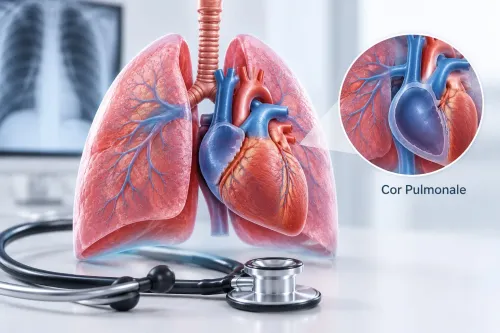
A pulmonologist diagnoses and manages disorders involving the lungs, airways and respiratory system. These may include asthma, chronic obstructive pulmonary disease, pneumonia, tuberculosis, allergies, interstitial lung disease and smoking-related lung damage.
When Should You Consult a Pulmonologist?
Respiratory symptoms should not be ignored when they persist, worsen or interfere with everyday activities. A pulmonology consultation may be appropriate if you experience:
- A cough lasting more than three weeks
- Repeated wheezing
- Breathlessness during mild activity
- Chest tightness or discomfort
- Frequent respiratory infections
- Excessive mucus production
- Blood in the sputum
- Unexplained reduction in exercise capacity
- Loud snoring with disturbed sleep
- Ongoing symptoms after smoking exposure
Sudden severe breathlessness, bluish lips, confusion, intense chest pain or coughing up significant amounts of blood requires urgent medical attention.
What to Evaluate Before Selecting a Doctor
A good respiratory consultation should involve more than prescribing medicine for visible symptoms. Look for a pulmonologist who takes a detailed history covering symptom duration, previous infections, allergies, occupational exposure, smoking habits and current medication.
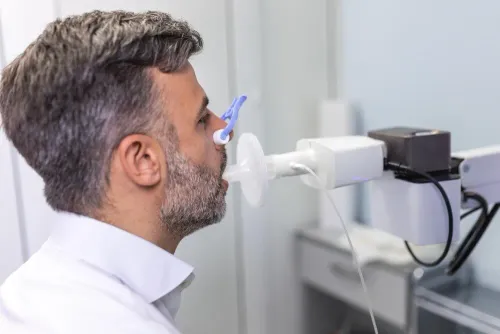
The doctor should also conduct a relevant physical examination and recommend investigations only when clinically necessary. Depending on the symptoms, these may include chest imaging, blood tests, sputum examination, oxygen saturation measurement or pulmonary function testing.
Clear communication is equally important. Patients should understand:
- What may be causing the symptoms
- Which tests are recommended and why
- How prescribed medicines should be used
- What warning signs require immediate attention
- When a follow-up consultation is needed
For chronic conditions such as asthma or COPD, continuity of care is particularly valuable. Treatment may need adjustment based on symptom control, inhaler technique, seasonal changes and test results.
Why Local Respiratory Care Matters
Hadapsar is a busy part of Pune, Maharashtra, with regular exposure to road traffic, construction activity, dust and changing air quality. These factors do not cause every respiratory illness, but they can aggravate symptoms in people with sensitive airways, asthma or existing lung disease.
Convenient access to a local pulmonologist can make follow-up easier, especially when a patient needs repeated monitoring. It can also help older adults, children accompanied by parents and patients who experience difficulty travelling long distances because of breathlessness.
Preparing for the First Appointment
Patients can make a consultation more productive by carrying:
- Previous prescriptions
- Chest X-rays or CT scan reports
- Blood and sputum test results
- A list of current medicines
- Details of allergies
- Vaccination records when available
- Notes about symptom triggers
- Information about smoking or workplace exposure
It is also useful to note whether symptoms worsen at night, during exercise, in particular seasons or after exposure to dust, pets, perfume or smoke.
At Dr Kunjir's Brio Clinic, respiratory concerns are evaluated through clinical assessment and appropriate investigations. The purpose of a consultation is to identify the underlying problem and determine whether the patient needs medication, inhaler support, testing, lifestyle changes or further evaluation.
The right pulmonologist should help patients understand their respiratory health rather than rely on temporary symptom relief alone. Early assessment is especially important when symptoms are recurring, unexplained or gradually limiting normal activity.
Keywords