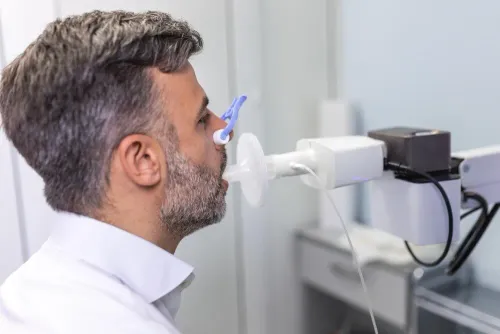
Tuberculosis is a treatable infectious disease, but successful management requires accurate diagnosis, regular medication and careful follow-up. Consulting a Tuberculosis Management Specialist in Pune can help patients understand the disease, follow the prescribed regimen and monitor their response to treatment.
TB most commonly affects the lungs, although it can also involve lymph nodes, bones, the abdomen and other organs. Pulmonary tuberculosis can spread through the air when a person with active infectious disease coughs, sneezes or speaks. Early assessment is important for both the patient and close contacts.
Symptoms That Require Evaluation
Possible symptoms of pulmonary tuberculosis include:
- Cough lasting more than two or three weeks
- Fever, particularly later in the day
- Night sweats
- Unexplained weight loss
- Reduced appetite
- Persistent tiredness
- Chest discomfort
- Blood in the sputum
These symptoms do not confirm TB by themselves. Other respiratory conditions can cause similar complaints, which is why diagnostic testing is necessary.
How Tuberculosis Is Investigated
The specialist begins by reviewing symptoms, past medical history, previous TB treatment and possible exposure to an infected person. Investigations may include chest imaging and examination of sputum.
Molecular tests can help detect tuberculosis bacteria and identify resistance to certain medicines. Additional testing may be needed when sputum cannot be produced or when TB outside the lungs is suspected.
A diagnosis should be based on appropriate medical evidence. Starting or stopping anti-tuberculosis medication without qualified supervision can complicate care.
Why Treatment Adherence Matters
TB treatment generally involves a combination of medicines taken for a prescribed period. Missing doses or discontinuing medication when symptoms improve can allow the infection to return and may contribute to drug resistance.
Patients should follow these practices:
- Take medicines exactly as prescribed.
- Attend scheduled follow-up appointments.
- Report side effects promptly.
- Complete recommended laboratory monitoring.
- Avoid changing the dose independently.
- Follow guidance about preventing transmission.
Depending on the medicines prescribed, the specialist may monitor liver function, vision or other health indicators. Not every patient experiences significant side effects, but unusual symptoms should be reported rather than ignored.
Protecting Family Members
Patients with potentially infectious pulmonary TB may receive advice about ventilation, cough hygiene and mask use during the infectious period. Close contacts may need screening, especially children, older adults and people with reduced immunity.
TB does not spread through every form of casual contact. Clear medical counselling can reduce unnecessary fear while ensuring that appropriate precautions are followed.
Drug-Sensitive and Drug-Resistant TB
Drug-sensitive TB responds to standard first-line medicines when they are taken correctly. Drug-resistant TB requires a different regimen and closer specialist supervision. Previous incomplete treatment is an important detail that patients must disclose.
Treatment planning may also be influenced by diabetes, liver disease, kidney disease, pregnancy, HIV status or the use of other medicines. Coordinated medical care helps manage these additional considerations.
Seeking Care in Pune
Pune, Maharashtra, has a large and mobile population, making timely detection and responsible treatment of tuberculosis particularly important. Patients should avoid relying on temporary cough relief when symptoms have continued for several weeks.
At Dr Kunjir's Brio Clinic, suspected and diagnosed respiratory conditions can be assessed with attention to clinical history, investigations and treatment adherence. Where required, care may be coordinated with laboratories, public-health services or other specialists.
Tuberculosis management is a structured process rather than a single prescription. With appropriate diagnosis, consistent medication and planned monitoring, many patients can complete treatment successfully while reducing the risk of complications and transmission.
Keywords