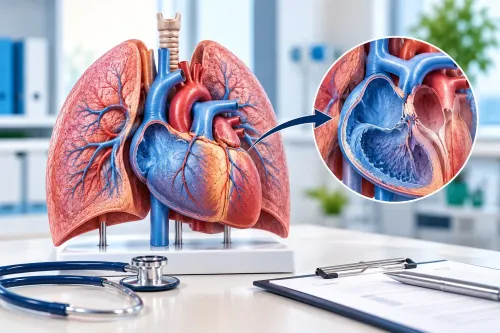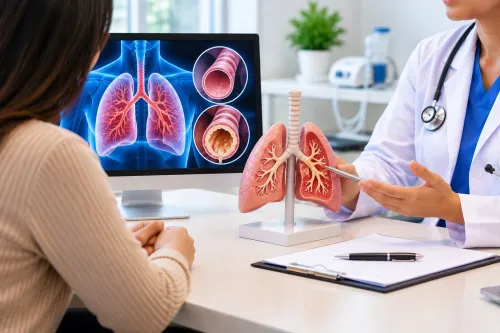
Asthma is one of the most common chronic respiratory conditions, yet it can sometimes be difficult to diagnose based on symptoms alone. Coughing, wheezing, chest tightness, and shortness of breath may occur in several lung disorders, making proper evaluation essential. A pulmonary function test for asthma diagnosis is one of the most valuable tools doctors use to assess how well the lungs are working and whether airflow is restricted.
Many people worry that pulmonary function testing is painful or complicated. In reality, it is a simple, non-invasive investigation that provides important information about lung performance and helps doctors make informed treatment decisions.
What Is a Pulmonary Function Test?
Pulmonary function tests (PFTs) are a group of breathing tests that measure how efficiently your lungs take in air, move it through the airways, and release it.
These tests help doctors evaluate:
- Lung capacity
- Airflow through the airways
- Breathing efficiency
- Airway obstruction
- Response to bronchodilator medications
The results help distinguish asthma from other respiratory conditions with similar symptoms.
When Might Your Doctor Recommend a Pulmonary Function Test?
A respiratory specialist may advise pulmonary function testing if you experience:
- Frequent wheezing
- Persistent coughing
- Recurrent breathlessness
- Chest tightness
- Exercise-related breathing difficulty
- Symptoms triggered by allergies
- Night-time coughing
- Poor response to previous respiratory treatment
Pulmonary function tests are also useful for monitoring asthma control over time and assessing the effectiveness of treatment.
How Is the Test Performed?
The procedure is straightforward and usually takes less than an hour.
During the test:
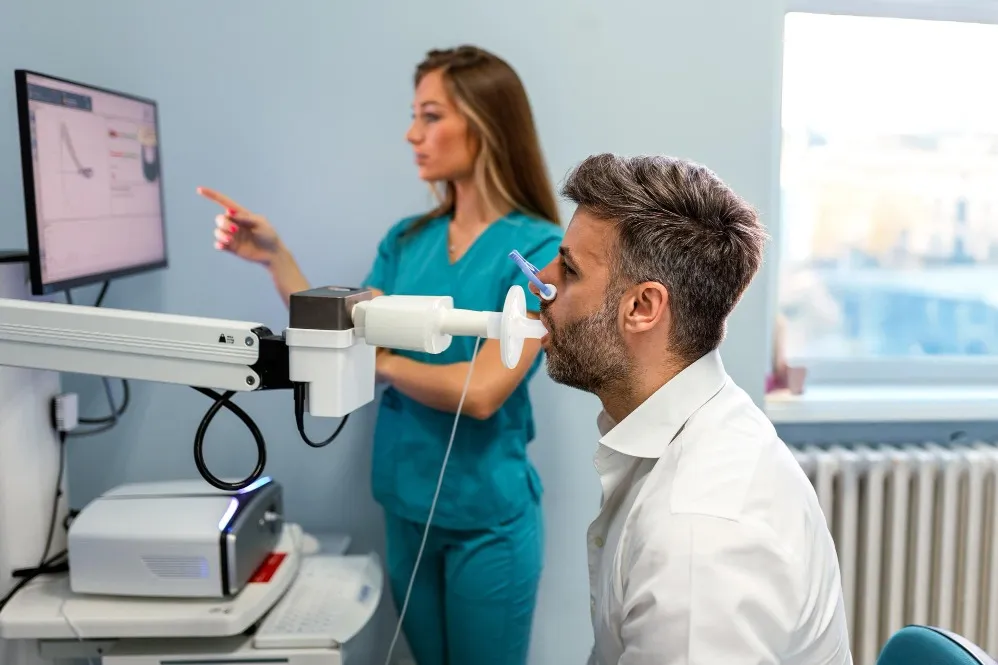
- You will be asked to sit comfortably.
- A technician will explain the breathing instructions.
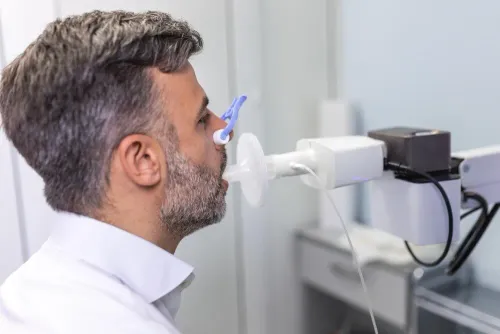
- You will place your mouth around a sterile mouthpiece connected to the testing equipment.
- You will inhale deeply and exhale as forcefully and completely as instructed.
- The test may be repeated several times to ensure consistent results.
- In some cases, the test is repeated after using a bronchodilator medication to see whether airflow improves.
Because the results depend on patient effort, carefully following the instructions helps ensure accurate measurements.
Is the Test Safe?
Pulmonary function testing is considered safe for most people.
Some patients may briefly experience:
- Mild dizziness
- Temporary coughing
- Shortness of breath during the effort
These symptoms usually resolve quickly after the test. Patients with certain recent heart conditions or recent chest surgery may require special consideration, so medical history is always reviewed beforehand.
Why Is Accurate Diagnosis Important?
Asthma symptoms can overlap with conditions such as COPD, bronchitis, allergies, or even anxiety-related breathing difficulties. Treating the wrong condition may delay recovery or fail to improve symptoms.
An accurate diagnosis allows doctors to:
- Confirm or rule out asthma
- Assess disease severity
- Monitor progression
- Evaluate treatment response
- Adjust medications appropriately
- Reduce the risk of asthma attacks
Rather than relying solely on symptoms, pulmonary function testing provides objective information that supports clinical decision-making.
Preparing for the Test
Your doctor may advise specific preparation before the appointment.
Common instructions may include:
- Avoid smoking before the test
- Wear loose, comfortable clothing
- Avoid heavy meals immediately beforehand
- Inform the doctor about all current medications
- Follow instructions regarding inhaler use before testing
Always follow the specific advice provided by your healthcare team, as preparation may vary depending on the reason for testing.
Respiratory Care in Pune
Respiratory complaints are common in Pune due to changing weather conditions, pollution, seasonal allergens, and urban environmental exposure. Early evaluation becomes particularly important for people who experience recurring wheezing, chronic cough, or breathing difficulty during seasonal changes.
Pulmonary function testing plays an important role in identifying asthma at an early stage, allowing treatment to begin before symptoms significantly affect quality of life.
For individuals requiring comprehensive respiratory assessment, Dr Kunjir's Brio Clinic offers pulmonary function testing as part of a detailed clinical evaluation. By combining diagnostic testing with personalised respiratory care, the clinic helps patients better understand their lung health and develop long-term strategies for managing asthma and other respiratory conditions.
Keywords