Sneezing a few times after exposure to dust or strong fragrances is perfectly normal. However, frequent sneezing that continues for weeks, especially when accompanied by a blocked nose, itchy eyes, or coughing, may indicate an underlying allergy rather than a temporary irritation. Consulting an allergy specialist for recurrent sneezing can help identify specific triggers and reduce the frequency of recurring symptoms.
Many people rely on repeated self-medication every allergy season without understanding what is actually causing their symptoms. While this may provide temporary relief, identifying the underlying trigger often leads to more effective long-term management.
What Causes Recurrent Sneezing?
Sneezing is a protective reflex that helps remove irritants from the nasal passages. In allergic individuals, the immune system reacts excessively to substances that are generally harmless.
Common allergy triggers include:
- House dust mites
- Pollen
- Pet dander
- Mold spores
- Smoke
- Air pollution
- Strong perfumes
- Seasonal environmental changes
Exposure to these triggers causes inflammation inside the nose, resulting in repeated sneezing and other allergy-related symptoms.
Symptoms That Often Accompany Sneezing
Allergic rhinitis involves much more than frequent sneezing.
Patients may also experience:
- Runny nose
- Nasal blockage
- Itchy nose
- Itchy or watery eyes
- Throat irritation
- Persistent dry cough
- Reduced sense of smell
- Difficulty sleeping because of nasal congestion
Some individuals also notice worsening asthma symptoms when allergies remain uncontrolled.
Why Proper Diagnosis Matters
Not every case of sneezing is caused by allergies. Viral infections, sinus conditions, structural nasal problems, and environmental irritants can produce similar symptoms.
A specialist may recommend:
- Detailed medical history
- Physical examination
- Allergy testing when indicated
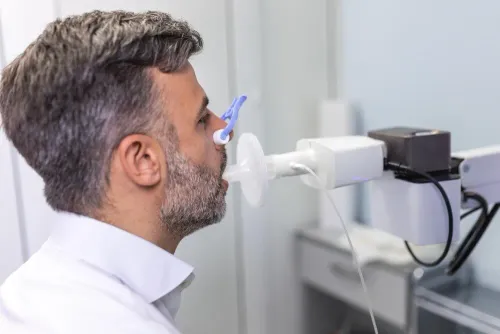
- Lung function assessment if asthma is suspected
- Imaging studies in selected cases
Identifying the exact trigger allows treatment to be more focused instead of relying on repeated symptomatic relief.
Treatment Options
Allergy management usually combines medication with trigger avoidance.
Depending on the diagnosis, treatment may include:
- Antihistamines
- Nasal sprays
- Allergy control measures at home
- Inhaled medications if asthma coexists
- Immunotherapy in carefully selected patients
- Lifestyle modifications
Patients often achieve better long-term symptom control when they understand which allergens affect them most.
Practical Ways to Reduce Allergy Exposure
Although avoiding every allergen is impossible, several simple measures can reduce exposure.
Helpful habits include:
- Cleaning household dust regularly
- Washing bedding frequently
- Using protective masks in dusty environments
- Keeping windows closed during high pollen periods when appropriate
- Avoiding cigarette smoke
- Maintaining good indoor ventilation
- Managing indoor humidity to reduce mold growth
These steps can complement medical treatment and reduce symptom frequency.
Seasonal Allergies in Pune
Residents of Pune commonly experience seasonal allergy symptoms due to changing weather, flowering plants, construction dust, vehicle emissions, and fluctuating humidity levels. These environmental factors can aggravate allergies in susceptible individuals, particularly during seasonal transitions.
Persistent sneezing should not simply be accepted as part of the weather. Proper evaluation can distinguish between temporary irritation, allergic rhinitis, sinus disease, and respiratory conditions that require specific treatment.
For individuals experiencing recurring allergy symptoms, Dr Kunjir's Brio Clinic offers comprehensive assessment of respiratory allergies, helping patients identify triggers and develop personalised management plans aimed at improving comfort, reducing flare-ups, and supporting long-term respiratory health.
Keywords