A cough following a common cold can sometimes continue for several days. However, a cough that repeatedly returns, wheezing that disturbs sleep or breathlessness during routine activity may indicate an underlying airway or lung condition. Consulting a Pulmonologist in Magarpatta can help determine why the symptoms are continuing and what type of care may be required.
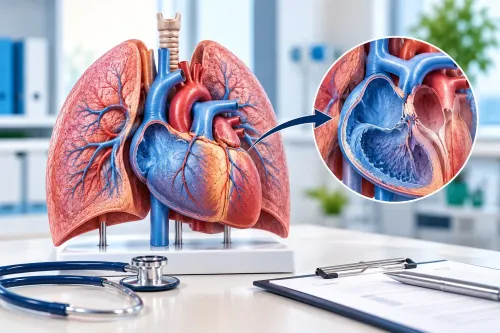
Pulmonologists manage conditions affecting breathing, lung tissue and the airways. Their role includes evaluating symptoms, interpreting respiratory investigations and planning long-term management when a condition cannot be resolved through short-term treatment alone.
Symptoms That Deserve Medical Evaluation
People often adapt their lifestyle around breathing problems without realising how much their health has changed. They may stop climbing stairs, avoid walking quickly or assume that repeated coughing is caused only by weather.
Consider arranging an assessment if you notice:
- Cough continuing for three weeks or longer
- Wheezing after exercise or at night
- Shortness of breath during usual activities
- Repeated episodes of bronchitis
- Chest congestion that keeps returning
- Unexplained fatigue with reduced stamina
- Breathing symptoms triggered by dust or pollution
- Persistent cough after quitting smoking
- Frequent need for a reliever inhaler
- Slow recovery after a respiratory infection
These symptoms can have several causes. Asthma, allergic airway inflammation, COPD, post-infectious cough, tuberculosis, acid reflux and certain heart conditions can sometimes produce overlapping complaints. This is why self-diagnosis may delay appropriate care.
What Happens During a Pulmonology Consultation?
The consultation usually begins with a detailed discussion about the symptoms. The doctor may ask when they started, whether they occur at a particular time and what makes them better or worse.
Relevant questions may cover:
- Smoking and passive-smoke exposure
- Home and workplace conditions
- Previous tuberculosis or pneumonia
- Family history of asthma or allergies
- Current and previous medicines
- Exposure to mould, birds, chemicals or dust
- Associated fever, weight loss or chest pain
The examination may include listening to the lungs and checking breathing rate and oxygen saturation. Further testing depends on the clinical findings.
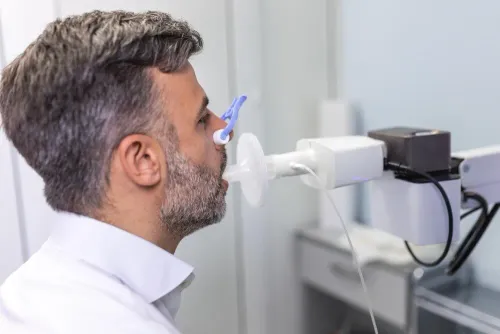
A pulmonary function test can help assess airflow when asthma or obstructive lung disease is suspected. Chest imaging may be advised when the doctor needs to examine lung structure. Sputum analysis or blood investigations may be used when infection, allergy or inflammation requires evaluation.
Avoiding Common Delays in Care
One frequent mistake is repeatedly taking cough syrups or antibiotics without establishing the reason for the symptoms. Antibiotics are not effective against every cause of cough, and unnecessary use can produce side effects and contribute to antimicrobial resistance.
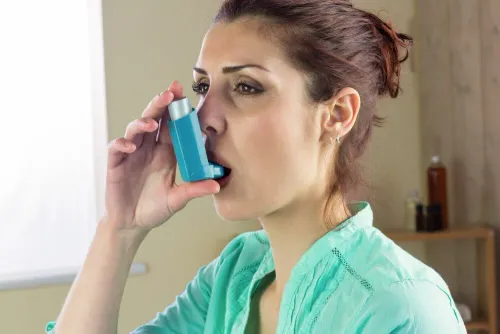
Another mistake is stopping an inhaler as soon as symptoms improve. Some inhalers provide quick relief, while others control airway inflammation over time. Patients should understand which type they have been prescribed and how long it needs to be used.
Incorrect inhaler technique is also common. Even an appropriate medicine may not work as expected if it does not reach the airways effectively.
Respiratory Care in a Busy Urban Area
People living or working in Magarpatta may encounter traffic emissions, road dust, indoor air-conditioning and seasonal changes in Pune. These exposures may worsen symptoms in susceptible individuals, although the underlying cause still needs proper medical evaluation.
Dr Kunjir's Brio Clinic provides assessment for respiratory complaints such as chronic cough, asthma, wheezing, allergies and breathing difficulty. Recommendations are based on the patient’s clinical findings rather than symptoms viewed in isolation.
Persistent respiratory discomfort should not automatically be considered a normal consequence of pollution, age or a demanding schedule. Identifying the cause can help patients receive suitable treatment, recognise triggers and know when additional medical attention is necessary.
Keywords