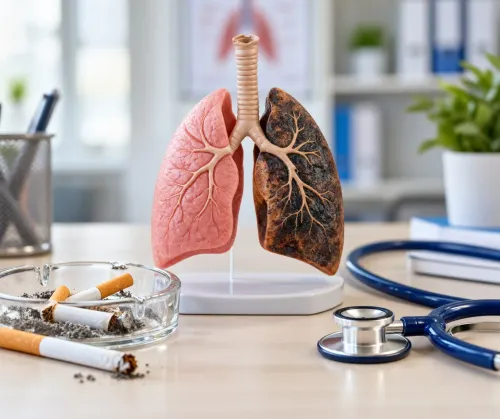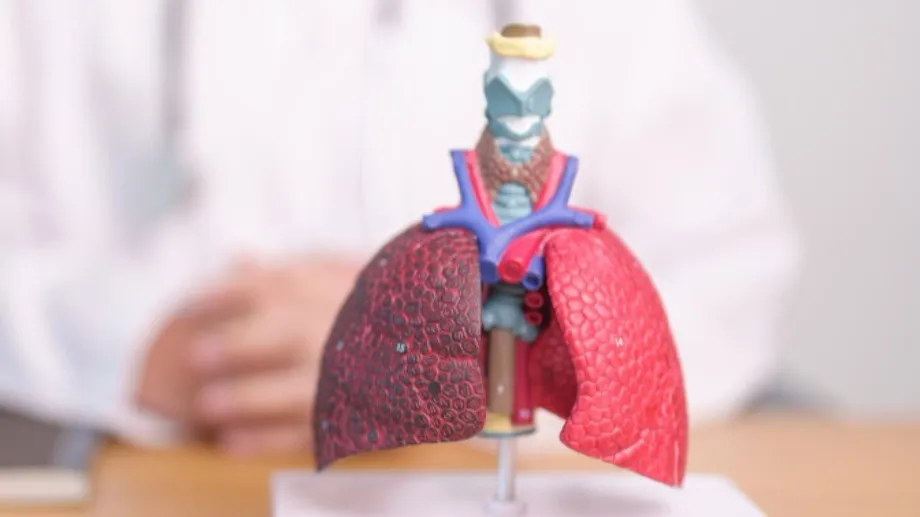
Feeling short of breath after climbing several flights of stairs is usually expected. However, if breathing becomes difficult during everyday activities such as walking, talking, or even resting, it should never be ignored. Breathlessness is a symptom rather than a disease, and identifying its underlying cause is the first step toward appropriate treatment. Consulting a respiratory specialist for breathing difficulty can help determine whether the problem originates from the lungs, airways, or another medical condition.
Many people assume that breathlessness is simply a sign of ageing or poor fitness. While these factors may contribute in some cases, persistent or worsening breathing difficulty often requires medical evaluation to rule out respiratory disorders and other health concerns.
What Causes Breathing Difficulty?
Breathing depends on healthy lungs, clear airways, strong respiratory muscles, and efficient oxygen exchange. A problem affecting any of these systems can lead to shortness of breath.
Some of the most common respiratory causes include:
- Bronchial asthma
- Chronic obstructive pulmonary disease (COPD)
- Pneumonia
- Chronic bronchitis
- Pulmonary fibrosis
- Tuberculosis
- Allergic airway diseases
- Pleural diseases affecting the lining of the lungs
Breathlessness may also be associated with heart disease, obesity, anaemia, anxiety disorders, or severe infections. This is why an accurate diagnosis is essential before beginning treatment.
Symptoms That Should Prompt Medical Attention
Occasional breathlessness during strenuous exercise is generally normal. However, you should seek medical advice if breathing difficulty:
- Occurs during routine daily activities
- Worsens over time
- Is associated with wheezing
- Causes chest discomfort
- Occurs during sleep
- Is accompanied by persistent coughing
- Appears suddenly without an obvious reason
- Limits your ability to work or exercise
Emergency medical care is particularly important if breathlessness develops suddenly, is severe, or is associated with chest pain or bluish discoloration of the lips or fingertips.
How a Respiratory Specialist Evaluates Breathlessness
Every patient experiences symptoms differently, so evaluation begins with a detailed medical history. Factors such as smoking habits, occupational exposure, allergies, family history, previous infections, and medication use provide valuable clues.
The assessment may include:
- Physical examination
- Measurement of oxygen saturation
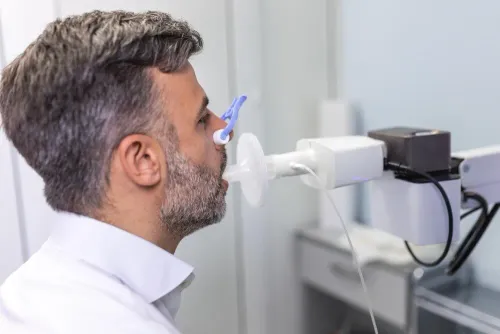
- Pulmonary function testing
- Chest X-ray
- CT scan when required
- Blood investigations
- Allergy evaluation
- Sputum examination if infection is suspected
These investigations help identify whether the breathing difficulty is caused by airway narrowing, reduced lung capacity, infection, inflammation, or another underlying condition.
Treatment Depends on the Cause
There is no single treatment for breathlessness because management depends entirely on the diagnosis.
Treatment options may include:
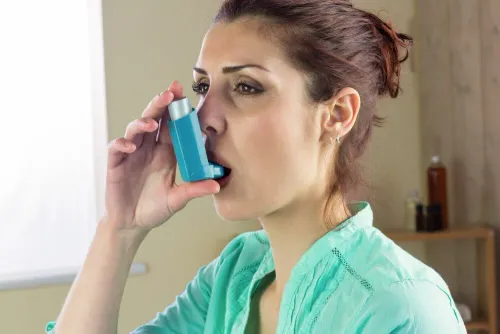
- Inhaled medications for asthma and COPD
- Antibiotics for bacterial lung infections
- Anti-inflammatory medications when appropriate
- Pulmonary rehabilitation programmes
- Oxygen therapy in selected cases
- Lifestyle modifications and smoking cessation
- Allergy management plans
Following the prescribed treatment consistently is important, particularly for chronic respiratory conditions where long-term control reduces the risk of flare-ups.
Can Breathing Problems Be Prevented?
Not every respiratory illness can be prevented, but several healthy habits help protect lung function.
These include:
- Avoid smoking and tobacco exposure
- Stay physically active within your fitness level
- Maintain a healthy weight
- Keep vaccinations up to date when recommended
- Minimise exposure to dust, fumes, and pollutants
- Wear protective equipment in hazardous workplaces
- Seek early treatment for respiratory infections
Small lifestyle changes can significantly contribute to maintaining healthy lungs over time.
Living in Pune and Respiratory Health
Pune experiences changing weather patterns, seasonal pollen, traffic pollution, and increasing urban development, all of which can affect respiratory health. Individuals with asthma, allergies, or chronic lung diseases may notice worsening symptoms during seasonal transitions or periods of poor air quality.
People working in industries involving dust, chemicals, or construction materials should also consider regular respiratory health evaluations, even if symptoms appear mild.
Understanding what is causing breathing difficulty allows treatment to be focused and effective rather than relying on temporary symptom relief. Dr Kunjir's Brio Clinic provides comprehensive respiratory evaluation for patients experiencing breathlessness, combining clinical assessment with appropriate diagnostic investigations to develop personalised treatment plans for a wide range of respiratory conditions.
Keywords